• Skip to main content

National Traffic Safety Management inc

We provide reliable and efficient traffic management to protect your highway road work

  • About Us
    • Who we are
    • Our Commitment
    • Our Values
  • Services
    • Crash Truck Services
    • Flagging And Signals
    • Traffic Planning
  • Resources
  • Contact Us

ntsmseo

Jan 21 2026

Traffic Control Toronto: The Invisible Shield Protecting Your Family

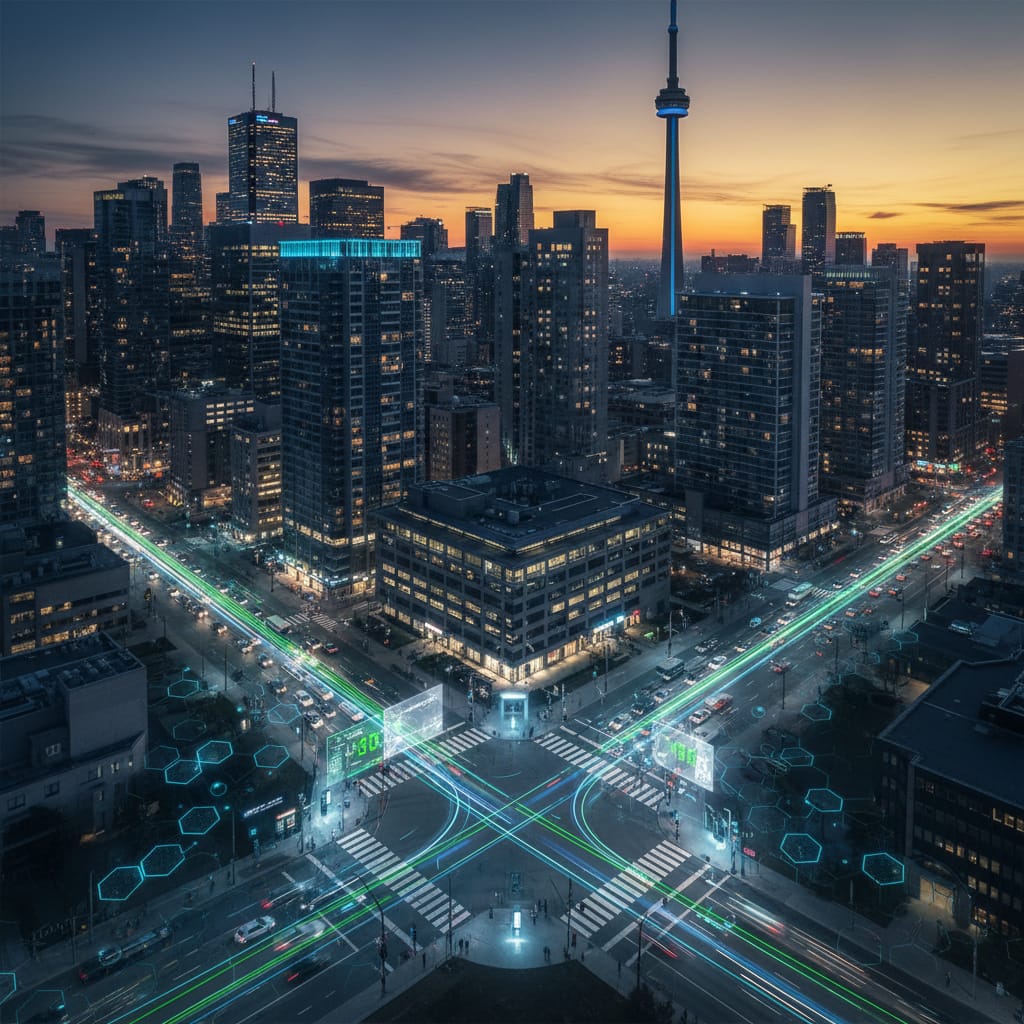
Futuristic traffic control Toronto intersection at dusk, advanced traffic control, digital overlays, CN Tower and skyline. Aesthetic: dynamic, professional, safe, efficient, cutting-edge.

When you drive through the bustling streets of the Greater Toronto Area (GTA), your focus is likely on your destination. Perhaps you are rushing to a meeting on Bay Street, dropping the kids off at school in Etobicoke, or heading to a Jays game downtown. Amidst the honking horns, the streetcars, and the endless sea of brake lights, there is a critical infrastructure at work that often goes unnoticed. It is an infrastructure not made of concrete or steel, but of highly trained professionals, strategic planning, and high-visibility equipment.

This is the world of traffic control. While it may look like just a series of pylons and a person holding a “Slow” sign, professional traffic management is actually the invisible shield protecting your family, your vehicle, and the workers building our city’s future.

At National Traffic Safety Management (NTSM), we understand that effective traffic control is about more than just directing cars; it is about saving lives.

The Chaos of the Urban Jungle

Toronto is a city in constant motion. With a population rapidly expanding and infrastructure projects booming—from the Eglinton Crosstown LRT to high-rise condo developments—construction zones are a permanent fixture of our landscape. These zones disrupt the natural flow of traffic, creating potential hazards for drivers and pedestrians alike.

Without professional traffic control in Toronto, streets would descend into chaos. Imagine a busy intersection where the traffic lights are disabled for maintenance, but no police or traffic control persons (TCPs) are present. The result is gridlock, frustration, and inevitably, accidents.

Now, consider the construction worker repairing a water main in the middle of a busy avenue. They are working in a trench, focused on their task, often just feet away from vehicles speeding by. The only thing separating them from a catastrophic injury is the traffic control plan implemented around them.

What Does Professional Traffic Control Actually Do?

Many people assume that traffic control is simply about stopping and starting cars. However, true traffic control Toronto services provided by industry leaders like NTSM involve a complex, multi-layered approach to safety.

1. Strategic Planning and Logistics

Before a single pylon is placed on the road, a detailed traffic management plan (TMP) is created. This involves analyzing traffic volume, peak hours, pedestrian foot traffic, and the specific needs of the construction or event site. In Toronto, where road layouts can be complex and confusing, this planning phase is crucial. It ensures that traffic is diverted efficiently without causing unnecessary bottlenecks in surrounding neighborhoods.

2. The Human Element: Traffic Control Persons (TCPs)

The men and women you see wearing high-visibility vests are the frontline defenders of road safety. A certified TCP is trained not just to hold a sign, but to communicate. They use standardized hand signals and radio communication to coordinate traffic flow through single-lane alternating zones or complex intersections.

Their job requires immense focus. They must anticipate driver behavior—the distracted driver texting at the wheel, the impatient commuter trying to cut the line, or the confused tourist. By managing these variables, traffic control Toronto professionals prevent collisions before they happen.

3. Equipment and Visibility

In the dark, rainy, or snowy conditions often found in Ontario, visibility is life. Professional traffic control involves the strategic placement of delineators, arrow boards, variable message signs, and barricades. These tools serve as visual cues, guiding drivers safely around hazards long before they reach the work zone.

Why “Traffic Control Toronto” Matters for Your Family

You might wonder, “How does this affect me personally?” The reality is that traffic control is a public safety service that directly impacts your daily life in three key ways.

Reducing Accident Risks

The most obvious benefit is the reduction of accidents. Construction zones are high-risk areas. Sudden lane closures or shifts can catch drivers off guard. Professional traffic control Toronto services mitigate this risk by providing advanced warning. When you see signage indicating road work ahead, followed by a gradual tapering of lanes, that is traffic control at work. It gives you the time to react, slow down, and merge safely, protecting you and your passengers from rear-end collisions or side-swipes.

Protecting Pedestrians and Cyclists

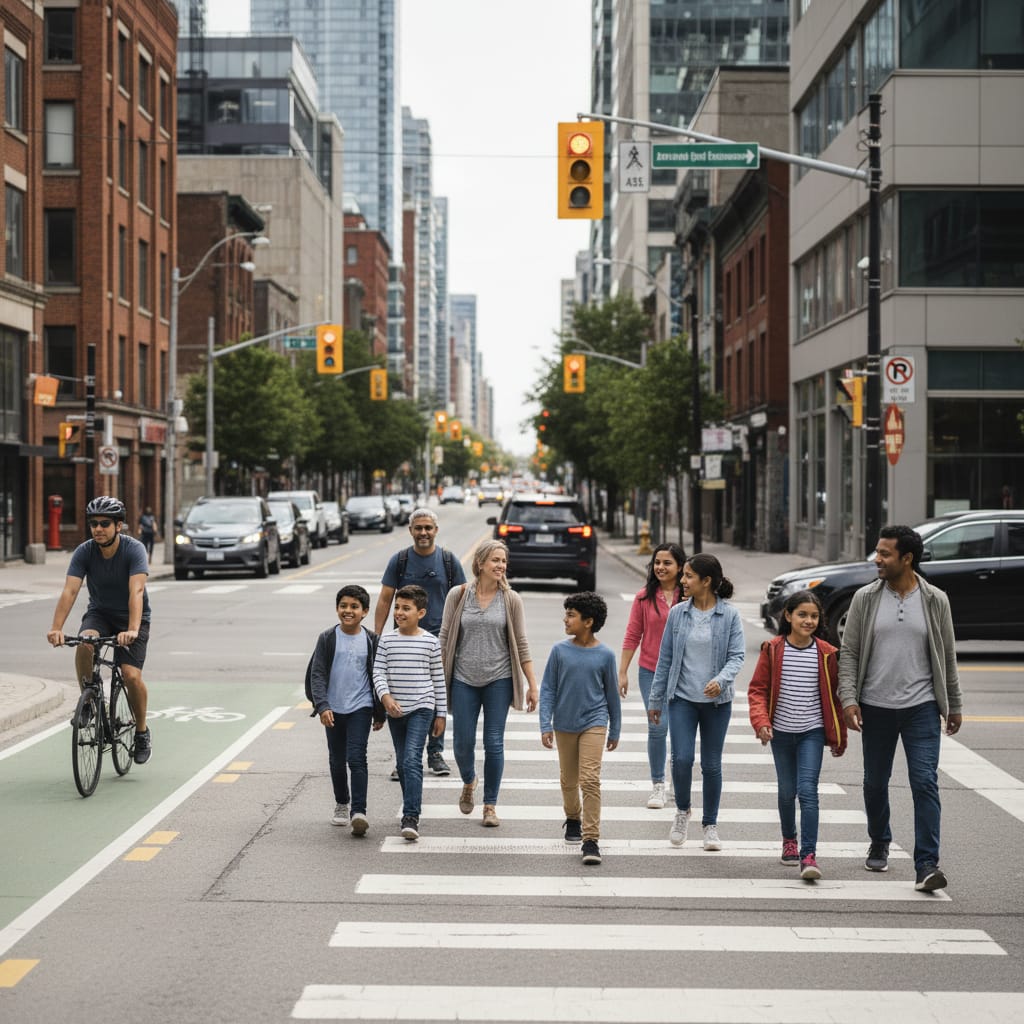
Toronto is becoming increasingly pedestrian and cyclist-friendly. However, construction often spills onto sidewalks and bike lanes. A comprehensive traffic management plan accounts for vulnerable road users. It ensures that if a sidewalk is closed, there is a safe, clearly marked detour. It ensures that cyclists aren’t forced to merge blindly into fast-moving vehicle traffic. By managing these interactions, traffic control keeps your children safe on their walk to school and your loved ones safe on their evening run.

Alleviating Road Rage and Stress

We have all been there: stuck in traffic that isn’t moving, with no idea why. Uncertainty breeds frustration, and frustration leads to aggressive driving. Effective traffic control Toronto keeps traffic moving, even if at a reduced speed. By maintaining a steady flow and preventing gridlock, traffic control reduces driver stress. A calmer driver is a safer driver. When you arrive home safely without having engaged in a road rage incident, you have the invisible hand of traffic management to thank.

The NTSM Standard: Going Beyond the Pylon

At National Traffic Safety Management (NTSM), we believe that traffic control Toronto deserves a higher standard. We don’t just supply bodies to stand on a road; we supply safety solutions.

Our approach is rooted in rigorous training and strict adherence to the Ontario Traffic Manual (OTM) Book 7, which dictates the standards for temporary conditions. We understand that every job site is unique. A film shoot in Yorkville requires a different touch than a sewer repair in Scarborough.

We prioritize:

  • Safety First: Our staff are trained to prioritize the safety of the public and the workers above all else.
  • Professionalism: We represent our clients. Courteous, alert, and properly equipped staff reflect positively on the construction companies and municipalities we serve.
  • Reliability: In a city that never sleeps, we are available 24/7 to respond to emergencies, water main breaks, or storm damage.
Our Shared Responsibility

Next time you drive past a construction site and see the flashing lights and the orange vests, take a moment to recognize the work being done. Those professionals are not there to slow you down; they are there to ensure you get home.

Traffic control Toronto is the invisible shield that separates order from chaos and safety from danger. It allows our city to build and grow while keeping its citizens safe. At NTSM, we are proud to hold that shield. We are dedicated to protecting your family, one safe lane change at a time.

If you require professional, reliable, and safety-focused traffic management services for your next project, trust the experts who know Toronto roads best. Trust National Traffic Safety Management.


Contact NTSM today to discuss your traffic control needs.

Written by ntsmseo · Categorized: Uncategorized

Jan 13 2026

Traffic Control Mastery: Avoiding 80% Safety Failures

The True Cost of Lukewarm Traffic Control

breakdown in traffic control and traffic management tin toronto

Neglecting traffic control triggers a domino effect of devastating consequences that can compromise the very survival of an organization. At the most immediate level, the direct financial burden is staggering; accidents necessitate massive outlays for medical bills, property damage, and equipment repair, with worker’s compensation claims for a single serious incident often exceeding $500,000.

These figures, however, represent only the tip of the iceberg, as public safety failures frequently trigger protracted lawsuits that can result in millions of dollars in settlements and legal fees. Beyond the balance sheet, the brand itself faces an existential threat through reputational damage, where highly publicized accidents erode public trust and effectively disqualify the firm from future contracts.

These external pressures are further compounded by internal operational failures, as poor planning creates traffic bottlenecks that frustrate commuters and delay project timelines, leading to a sharp decline in productivity and revenue.

The 5 Pillars of Traffic Control Mastery

A comprehensive, ironclad system is essential for successful operations involving public roadways or pedestrian areas. Without a rigorous framework in place, the variables of human behavior and high-traffic environments introduce unacceptable levels of risk. Such a system must integrate real-time monitoring, standardized safety protocols, and clear communication channels to protect both the personnel on-site and the public at large. There are 5 Pillars:

Pillar 1: The Ironclad Plan – Blueprint for Dominance

A traffic control plan must be detailed, unambiguous, and leave no room for interpretation. Key components include:

  1. Site-Specific Analysis: Understanding unique variables like traffic patterns, peak hours, pedestrian flow, visibility, grade changes, and proximity to sensitive locations (schools, hospitals). Generic plans are insufficient.
  2. Clear Objectives: Defining what the plan aims to achieve (e.g., maintain flow, protect workers, divert traffic).
  3. Regulatory Compliance, Exceeded: Meeting and going beyond local, state, and federal guidelines for perfect execution.
  4. Phased Approach: Accounting for every phase of work, every shift in equipment, and every change in personnel, with specific diagrams for each phase.
  5. Contingency Strategies: Developing explicit, actionable responses for unforeseen circumstances like rain, major events, equipment failure, or emergencies.

Pillar 2: Equipment – Your Uncompromising Arsenal

Investing in high-quality, adequate equipment is crucial for worker and public safety. This includes:

  • High-Visibility Signage: Reflective, clean, correctly sized, and strategically placed signs visible at 500 feet.
  • Robust Channelizing Devices: Weighted, impact-resistant cones, barrels, and barricades positioned to create clear paths and ample merge distance.
  • Advanced Warning Systems: Flashing arrow boards and portable changeable message signs (PCMS) for critical advance notice, especially on high-speed roads.
  • Personal Protective Equipment (PPE): Certified, clean, and correctly worn high-visibility vests, hard hats, and safety footwear.
  • Lighting Systems: Adequate illumination for night work to ensure visibility for workers and drivers, eliminating dark zones.

Pillar 3: Training – Forge Unbreakable Resolve

Rigorous, hands-on, scenario-based training is vital for personnel. Key aspects include:

  1. Certified Personnel: Every individual involved must hold the highest possible certification.
  2. Continuous Education: Regularly updating knowledge on changing regulations, best practices, and new technologies through annual refresher courses.
  3. Practical Application: Field simulations and scenario-based training to ingrain best practices under pressure.
  4. Emergency Response Drills: Practicing responses to common incidents (driver non-compliance, equipment failure, injuries) until they are instinctive.
  5. Communication Protocols: Training on proper radio use, hand signals, and direct verbal commands to ensure clear and concise communication.

Pillar 4: Execution – Precision Under Pressure

Flawless execution of the plan is paramount. Key principles include:

  • Strict Adherence to Plan: Deviations require explicit, documented approval and a revised strategy.
  • Dynamic Adaptation: Ability to adapt to changing real-world conditions within a controlled, safe framework using pre-approved contingencies.
  • Constant Vigilance: Active scanning, anticipation, and reaction from all team members to prevent complacency.
  • Immediate Correction: Promptly addressing and correcting any issues, such as displaced cones or faded signs.
  • Professional Demeanor: Team members must be professional, authoritative, and courteous, reflecting positively on the organization.

Pillar 5: Oversight – The Unblinking Eye

Continuous verification of the system’s performance is essential. This involves:

  • Regular Inspections: Daily, weekly, and monthly formal inspections with checklists and documentation.
  • Performance Audits: Observing live operations to ensure procedures are followed and identify bottlenecks.
  • Feedback Loops: Empowering team members to report issues and suggest improvements without fear of reprisal.
  • Incident Review and Analysis: Thoroughly analyzing any incidents to identify root causes and implement systemic improvements.
  • Reporting and Documentation: Maintaining meticulous records of plans, inspections, training, and incidents for accountability and legal protection.

In summary, mastering traffic control is not merely a matter of regulatory compliance but a fundamental safeguard against catastrophic financial, legal, and reputational ruin. By integrating the five pillars: meticulous planning, high-tier equipment, rigorous training, precise execution, and unblinking oversight, an organization transforms a high-risk liability into a disciplined, high-performance operation.

Written by ntsmseo · Categorized: Uncategorized

Jan 02 2026

Toronto Traffic Safety 2026: A Comprehensive Blueprint for a 30% Reduction in Accidents

Toronto is embarking on a transformative initiative to significantly enhance traffic safety, aiming for a 30% reduction in traffic accidents within the next 12 to 18 months, targeting the year 2026. This ambitious goal is driven by a shift from reactive responses to proactive prevention, leveraging a multi-faceted strategy that integrates intelligent infrastructure, advanced technology, data-driven enforcement, and community engagement. The initiative acknowledges the substantial human and economic costs of preventable collisions, which in 2023 resulted in thousands of incidents, hundreds of serious injuries, and dozens of fatalities in Toronto, with direct costs in the billions. Through this initiative, Toronto can be a safer place to live.

The Harsh Reality of Current Traffic Safety in Toronto

Toronto’s current traffic safety record presents a significant challenge due to increasing population density and vehicle numbers. Key statistics highlight the urgency:

  • Fatalities: Dozens of traffic-related fatalities occur annually.
  • Serious Injuries: Hundreds suffer life-altering injuries, straining the healthcare system.

The “business as usual” scenario projects a potential 5-10% increase in incidents year-over-year, making proactive intervention critical.

A High-Leverage Strategy: Infrastructure Innovation for Ultimate Safety

This strategy focuses on re-engineering the urban environment to inherently bake safety into the road network.

Smart Intersections:

  • AI-Powered Signal Systems: Adaptive technology uses real-time data to optimize flow, reducing delays by an estimated 15% and specific right-angle collisions by 10-15%.
  • Pedestrian and Cyclist Detection: Sensors extend crossing times for pedestrians and adjust signals for cyclists, potentially decreasing pedestrian accidents by up to 20% in pilot programs.
  • Emergency Vehicle Preemption: Integrated systems grant green lights to emergency vehicles, reducing response times and intersection risks.

Road Redesign for Human Safety:

We can prioritize human safety over vehicle throughput by:

  • Creating Protected Bike Lanes: Physical barriers reduce cyclist injuries by up to 50%.
  • Wideing Sidewalks and Pedestrian Zones: Reduce crowding and pedestrian-involved collisions by up to 30%.
  • Narrowwing Traffic Lanes: Encourage speed reduction and increased focus, potentially lowering collision severity by 10-15%.
  • Raised Crosswalks and Intersections: Act as speed deterrents and improve pedestrian visibility, reducing vehicle speeds by 5-10 mph at critical points.
media_5

Advanced Lighting and Visibility:

  • Smart LED Streetlights: Adaptive lighting improves visibility, cutting nighttime collisions by 10-15%.
  • Reflective Markings and Signage: Enhance guidance in low light and adverse weather, reducing lane departure incidents by 5-8%.

Real-Time Digital Signage and Communication:

  • Dynamic Message Signs (DMS): Warn drivers of hazards, reducing reaction time incidents by 5%.
  • V2X Communication (Vehicle-to-Everything): Emerging technology that warns vehicles of pedestrians, icy patches, and other hazards.

Your Role in the Revolution: Actionable Steps for Everyone

The success of this initiative hinges on individual commitment and responsibility.

  • For Drivers: Eliminate distractions, obey speed limits, practice defensive driving, maintain vehicles, and never drive impaired.
  • For Cyclists and Pedestrians: Prioritize visibility, know and follow the rules, stay alert, and use designated infrastructure.
  • For Businesses: Implement robust fleet safety programs, promote safe commuting, and support local safety initiatives.
  • For Residents: Report hazards, engage with local officials, and educate others.

Written by ntsmseo · Categorized: Uncategorized

Copyright © 2026 · Altitude Pro on Genesis Framework · WordPress · Log in